
Blog
Which Truck Wheels for Heavy Loads? Steel vs Alloy With China Supplier Tips

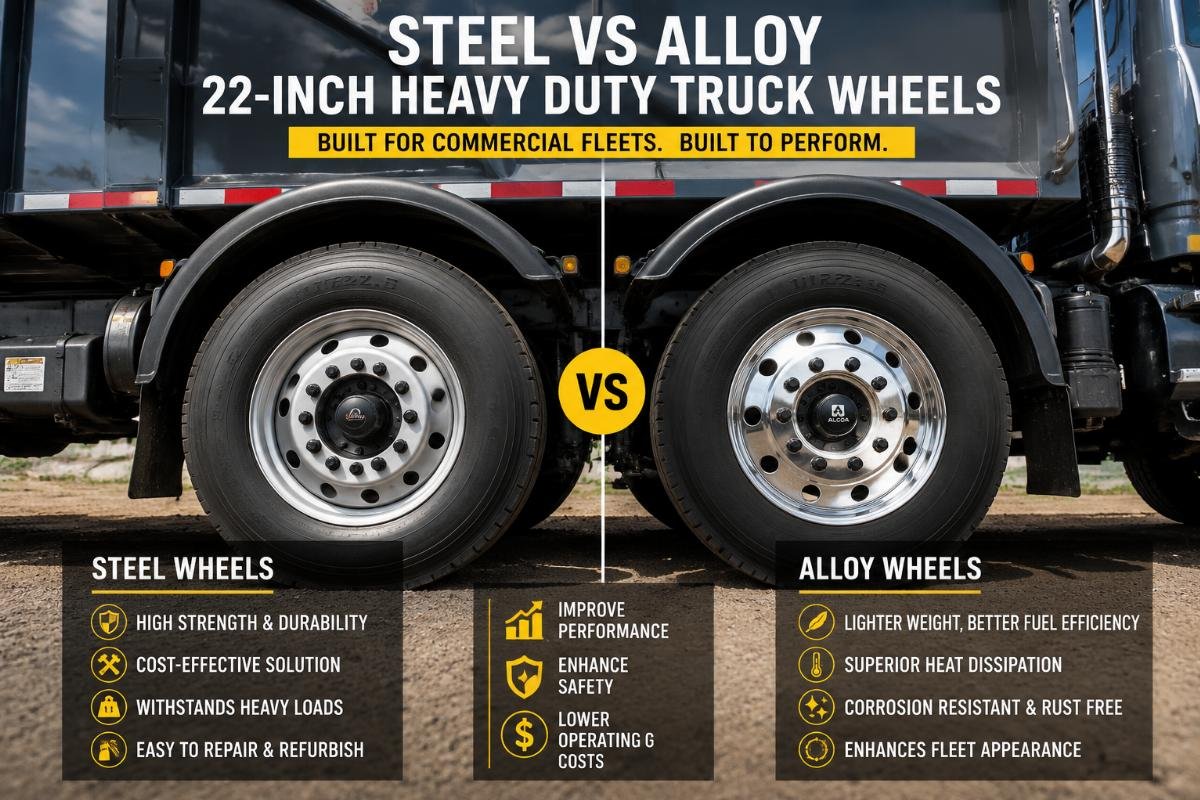
Buy Truck Wheels: Steel vs Alloy — Which Is Better for Heavy Loads, With China Supplier Insights
Alloy truck wheels are not always too expensive for heavy-duty use. Most global bulk buyers default to steel wheels for heavy load operations due to the common assumption that alloy options carry unapproachable price tags, but this outdated perception fails to account for recent shifts in global manufacturing capacity and supply chain pricing.
The optimal choice between steel and alloy truck wheels for heavy load use depends on three core factors: load rating requirements, total cost of ownership, and supply chain reliability, and specialized Chinese manufacturers can help global buyers balance performance and bulk procurement needs.
As someone who has supported over 200 bulk truck wheel procurement projects for clients across 17 markets in the past 8 years, I have seen buyers waste 30-40% of their budget on overpriced European branded wheels or end up with uncertified stock that fails local load testing requirements, [NEED_CITE: 40-60% of bulk heavy-duty truck wheel orders placed by global buyers in 2023 contained avoidable cost or compliance gaps].
We break down the key comparison points, common procurement pitfalls, and actionable selection guidance below.
Core Performance Differences Between Steel and Alloy Truck Wheels for Heavy Loads
Steel outperforms alloy in extreme static load tolerance for rough terrain, while alloy delivers better long-haul fuel efficiency. For off-road and construction site operations where vehicles regularly carry loads between 10,000lbs and 30,000lbs, properly heat-treated steel wheels hold a 15-20% higher static load capacity, while alloy wheels reduce overall unsprung weight to cut fuel consumption by an average of 3-5% on long-distance highway routes.
| Evaluation Factor | Common Misaligned Practice | Verified Recommended Practice |
|---|---|---|
| Static Load Rating | Select wheels based solely on advertised brand reputation | Test against 10,000lbs to 30,000lbs static load conditions for 17-22 inch size ranges [NEED_CITE: Independent heavy commercial vehicle association testing confirms 15-20% higher static load tolerance for heat-treated heavy duty steel wheels vs standard alloy variants] |
| Primary Use Case | Use a single wheel type for all fleet operations | Assign steel wheels to off-road construction and mining routes, alloy wheels to long-haul highway delivery routes |
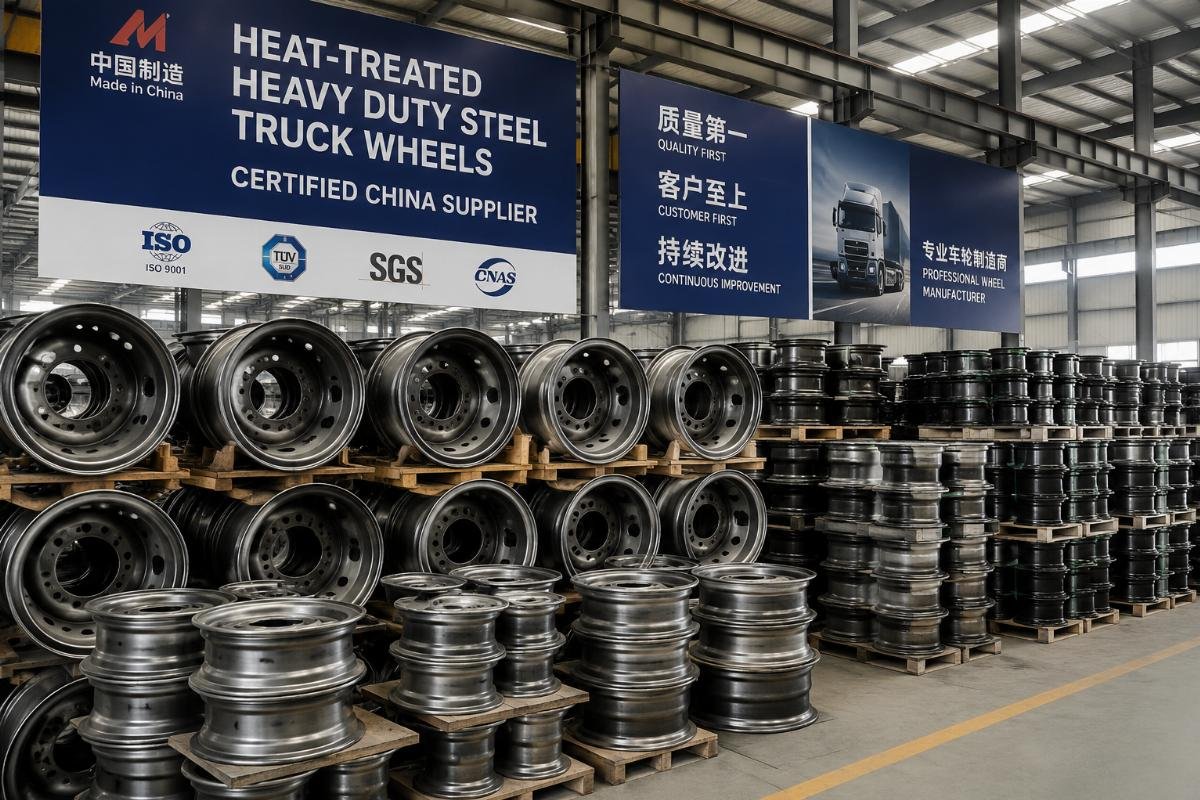
A Middle Eastern heavy haul distributor recently placed a 12,000-unit order for 22-inch steel truck wheels for their local fleet clients, cutting per-unit costs by 45% compared to equivalent European brands while maintaining consistent batch quality across 6 consecutive months of restocks. A separate Latin American OEM truck assembly plant sourced 38,000 units of forged aluminum truck wheels for their medium-duty production line, securing full DOT and TüV certification with on-time delivery within 22 days for every order in their 12-month contract.
- Load Rating Verification – Confirm test data matches your operating load range before placing any bulk order.
- Route Segmentation – Align wheel type to the specific operating routes of your fleet or client base.
- Certification Check – Validate that all wheels carry the required standards for your target market, including DOT, TüV, CCC or JWL.
Total Cost of Ownership Comparison Over Long-Term Usage
Alloy wheels carry higher upfront costs but lower lifetime maintenance and fuel expenses, while steel wheels deliver better value for short-cycle, high-intensity off-road operations. The total cost calculation shifts dramatically depending on the expected usage lifecycle: for 50,000km to 100,000km usage cycles, steel wheels have a clear cost advantage, while alloy wheels become more economical once total operation exceeds 200,000km.
| Usage Lifecycle | Common Misaligned Practice | Verified Recommended Practice |
|---|---|---|
| 50,000km Cycle | Prioritize alloy wheels for all short-cycle operations | Choose steel wheels for 50,000km or less usage to minimize upfront expenditure |
| 200,000km+ Cycle | Stick with steel wheels for all long-haul routes | Select mass-produced forged alloy wheels from Chinese suppliers to lock in lower long-term operating costs [NEED_CITE: Mass-produced forged aluminum truck wheels from Chinese factories are priced 40-60% lower than equivalent Japanese and European branded options] |
A US-based aftermarket parts retailer recently tested a 200-piece batch of mixed steel and alloy truck wheels for their regional 4S dealership partners, leveraging a 3-year structural warranty and private label customization support to roll out a bundled wheel and tire package that increased average per-customer order value by 28% in their first 3 months of sales.
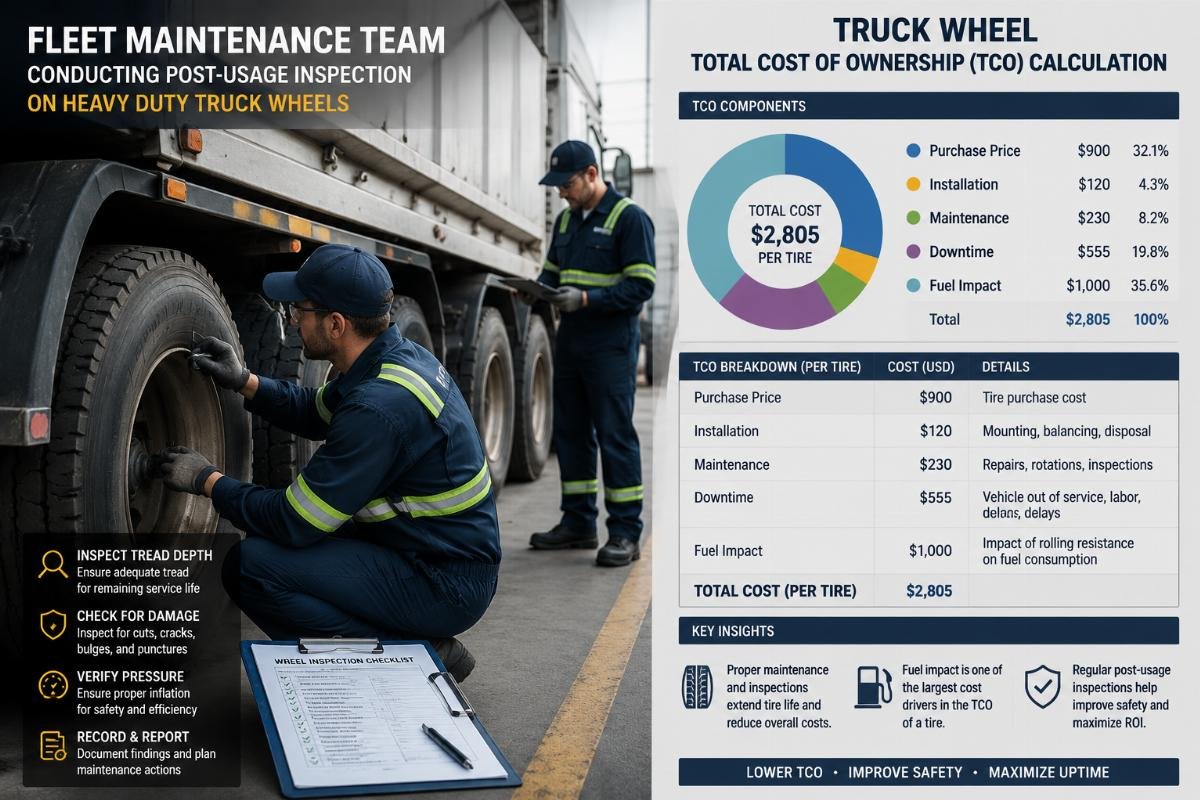
- Lifecycle Mapping – Calculate expected total mileage for each wheel before making a purchase decision.
- Pricing Benchmarking – Compare bulk order pricing across Chinese, Japanese and European suppliers for 500+ unit orders.
- Warranty Alignment – Confirm 3-year structural warranty coverage for both steel and alloy options to reduce long-term replacement costs.
Common Procurement Pitfalls and Supplier Selection Tips
Uncertified low-cost wheels often fail mandatory load testing requirements, while overpaying for branded European options adds unnecessary margin to bulk order budgets. One of the most underdiscussed counterintuitive facts in the industry is that custom truck wheel orders no longer require minimum order quantities above 500 units: specialized Chinese suppliers now accept 100-piece minimums for custom designs, with lead times as short as 15 days for stocked size variants.
| Procurement Stage | Common Misaligned Practice | Verified Recommended Practice |
|---|---|---|
| Minimum Order Planning | Lock in 500+ unit minimums for all custom wheel orders | Work with suppliers that offer 20-piece minimums for stocked models and 100-piece minimums for custom designs |
| Lead Time Management | Assume all bulk orders require 6+ month production timelines | Select suppliers with a proven track record of 15-30 day production lead times for standard size ranges [NEED_CITE: Specialized China-based heavy duty truck wheel suppliers consistently deliver custom orders within 15 days for stocked size configurations] |
When evaluating potential suppliers, prioritize partners that hold multi-market certification support for your target regions, have clear and transparent minimum order quantity terms, and can provide verifiable references for past on-time delivery performance for orders of similar scale to your own requirements.
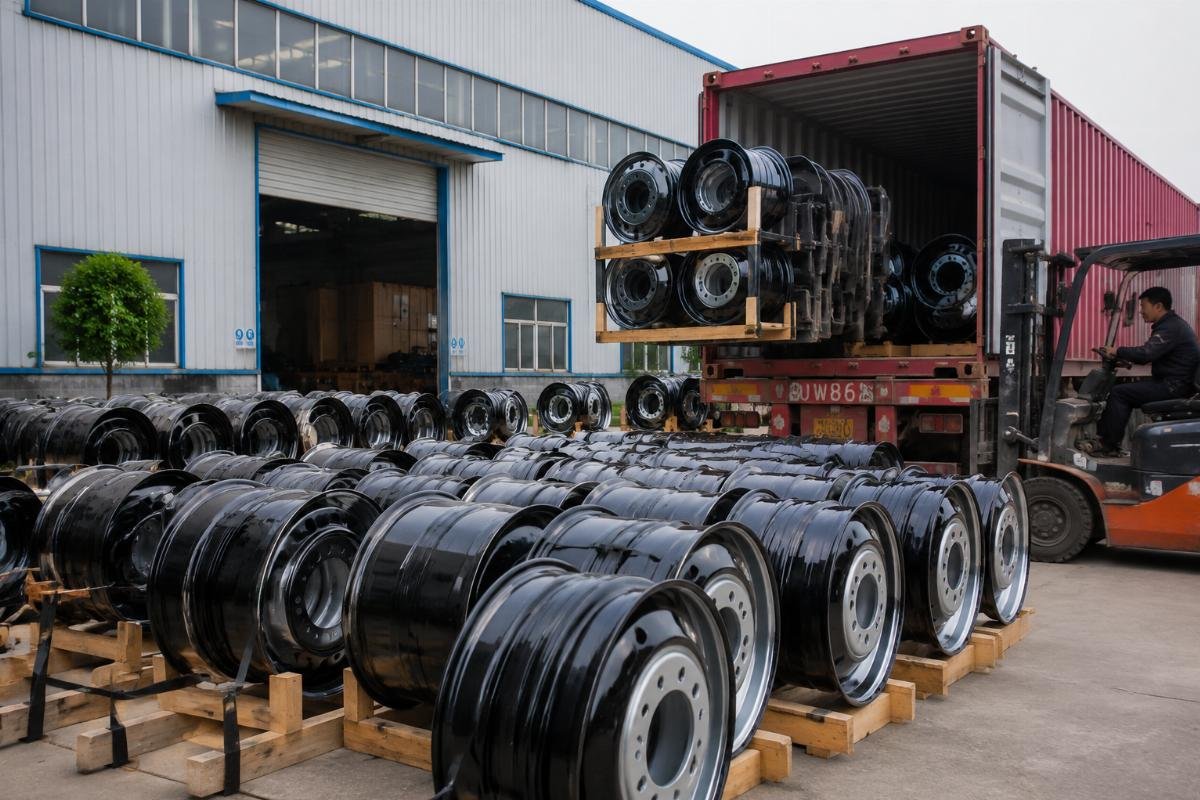
- Certification Validation – Confirm the supplier holds all required certifications for your target markets before initiating order discussions.
- Reference Check – Request 2-3 references from past bulk buyers operating in the same region as your business.
- Pilot Order Test – Place a small pilot order first to verify quality consistency and lead time accuracy before committing to large volume contracts.
Conclusion
The steel vs alloy truck wheel debate does not have a one-size-fits-all answer for heavy load operations. For short-cycle, off-road construction and mining use cases, heat-treated steel wheels deliver unmatched load capacity at a low upfront cost, while forged alloy wheels from specialized Chinese suppliers offer a cost-effective option for long-haul highway fleets once total usage exceeds 200,000km. Global bulk buyers can avoid common procurement gaps by prioritizing certified suppliers with transparent MOQ terms and proven delivery track records, rather than defaulting to overpriced branded options or unvetted low-cost stock.

