
SUV Wheels Wholesale: Bulk Order from China Manufacturer
- Aug 8, 2026
- author
- Brake · Cooling · A/C · Wheels
SUV Wheels Wholesale: Bulk Order from China Manufacturer
Comparing per-piece FOB prices without factoring in mold amortization, ocean freight, and destination duties is the fastest way to miscalculate your real margin on a container load.
The true cost advantage of sourcing SUV wheels wholesale from China only becomes visible when you break down the landed cost per rim—spreading mold fees, certification overhead, and logistics across the full order quantity—rather than comparing factory quotes against retail brand guide prices.
I still remember a Middle East distributor who forwarded me a screenshot comparing our 18-inch matte black SUV rim FOB quote against a Japanese brand’s retail catalog price. He concluded Chinese manufacturing was barely cheaper. What he hadn’t calculated was the per-piece cost once mold amortization dropped across a full container, combined with the absence of brand markup layers. [NEED_CITE: structural cost comparison between OEM-equivalent aftermarket wheels and branded retail wheels in the alloy wheel industry] That conversation reshaped how I walk every new buyer through the numbers.
Let me walk you through the actual variables that determine whether a bulk order makes financial sense.
What Sizes and Specs Matter Most for SUV Wheel Bulk Orders?
The 17-inch through 22-inch range covers the overwhelming majority of mainstream SUV models globally, but bolt pattern and offset compatibility determine whether those wheels actually fit the vehicles your customers drive.
When buyers request a quotation for SUV wheels wholesale, the first technical filter is PCD—pitch circle diameter. A five-lug 5×114.3 pattern fits a huge slice of Japanese and Korean SUVs, while 5×120 dominates European platforms. Getting this wrong means an entire container becomes unsellable inventory. [NEED_CITE: global SUV bolt pattern distribution by vehicle origin region]
| Parameter | Coverage Scope | Fitment Impact |
|---|---|---|
| Diameter 17"-19" | Mainstream compact and mid-size SUVs | Highest volume demand across multiple regions |
| Diameter 20"-22" | Full-size and luxury SUVs | Growing segment, lower per-SKU volume |
| Offset range | Vehicle-specific, typically +30 to +55 | Incorrect offset causes rubbing or suspension interference |
| Center bore | Hub-centric matching required | Without correct bore, vibration issues emerge at highway speeds |
A modification shop in South America initially ordered a mixed batch of 20-inch and 22-inch wheels for a popular pickup-based SUV line. The 22-inch fitment required a lower offset than the factory spec to avoid caliper contact—something their initial spec sheet overlooked. The result was a partial return and a reorder with corrected offset values. The lesson: confirm offset and center bore against the target vehicle list before locking the SKU mix.
Surface finish selection also interacts with regional climate. Matte black and gunmetal finishes dominate in dry and temperate markets, while chrome and hyper silver face accelerated corrosion complaints in coastal or high-humidity environments without proper clear-coat protection. [NEED_CITE: alloy wheel surface finish durability comparison under different climate conditions]
How to Calculate True Per-Piece Landed Cost from China?
FOB price is only the starting line—the real per-unit cost emerges only after you distribute mold fees, certification charges, ocean freight, and import duties across the total order quantity.
Most first-time buyers fixate on the per-piece FOB number. But a mold for a custom SUV wheel design carries a fixed cost that must be amortized. Order a small batch and the mold cost per rim is steep; fill a container and that same mold fee becomes negligible per unit. [NEED_CITE: alloy wheel mold cost amortization impact on per-unit pricing at different order volumes]
Here is the cost structure breakdown:
| Cost Component | Behavior with Volume | Impact on Per-Piece Landed Cost |
|---|---|---|
| FOB unit price | Decreases modestly with volume | Noticeably reduced at container-load quantities |
| Mold amortization | Fixed total, spread across units | Substantially extended volume dramatically lowers per-piece share |
| Ocean freight | Fixed per container | Per-piece cost drops sharply as units per container increase |
| Import duties | Percentage-based on customs value | Consistent rate, but absolute cost rises with order value |
A West African importer once received two quotes—one for a partial container of mixed sizes, another for a full container of a single 18-inch SKU. The per-piece landed cost difference was substantial enough that the full-container order delivered a noticeably lower unit cost despite a higher total invoice. The math only works when you run the full equation.
Payment structure also matters. Factoring in currency fluctuation exposure and letter-of-credit bank fees can shift the effective cost by a meaningful margin. Buyers who lock in pricing at order confirmation and use straightforward transfer methods tend to have cleaner cost predictability.
Which Certifications Are Non-Negotiable for Your Market?
Certifications are not optional paperwork—they are customs clearance prerequisites, and shipping wheels without the correct marks for your destination country means the container sits at port until you either obtain retroactive documentation or face rejection.
Different markets enforce different standards. The United States requires DOT compliance for wheels sold as replacement parts. Japan mandates JWL/VIA marking. Germany and several European importers expect TÜV certification. Brazil has INMETRO requirements. [NEED_CITE: mandatory wheel certification standards by major import market]
| Certification | Primary Market | Verification Level |
|---|---|---|
| DOT | United States | Registered manufacturer with NHTSA |
| JWL / VIA | Japan | Tested against Japanese industrial standards |
| TÜV | Germany and EU importers | Dynamic radial and impact testing verified |
| CCC | China domestic | Mandatory for OEM supply within China |
| ISO 9001 | Global baseline | Quality management system audit |
A distributor in the Middle East learned this the hard way when a shipment without proper VIA-compatible documentation was held at a transshipment hub. The delay added weeks of demurrage and required expedited testing to resolve. The certification cost was minor compared to the port storage bill.
When evaluating a SUV wheels wholesale partner, request copies of active certificates and verify them against the issuing body’s database—self-reported PDFs are not sufficient due diligence. [NEED_CITE: how to verify alloy wheel certification authenticity through issuing authority databases]
What MOQ and Lead Time Should You Expect?
Stock models can ship in small quantities with rapid turnaround, while custom designs require higher minimums and longer production windows that include quality inspection cycles built into the timeline.
For SUV wheels wholesale orders, the MOQ structure typically splits into two tracks:
| Order Type | Typical MOQ Range | Production Lead Time |
|---|---|---|
| Stock models (existing molds, standard finishes) | Low minimum, suitable for testing | Readily available, short dispatch window |
| Custom designs (new mold, bespoke finish) | Higher minimum to justify mold cost | Extended timeline including mold fabrication, production, and QC |
A tuning shop in Southeast Asia started with a small trial order of stock 20-inch mesh-pattern wheels to test customer response before committing to a custom colorway. The initial batch sold within weeks, triggering a reorder with a proprietary gunmetal finish that required a new mold and a longer lead time. The phased approach minimized upfront risk while building toward a differentiated product line.
Lead time is not just production time—it includes X-ray inspection, dynamic balance testing, and final audit before packing. Compressing this window by rushing the coating cure cycle or skipping balance checks creates field failures that cost far more than a slightly longer wait. [NEED_CITE: alloy wheel quality inspection sequence and time allocation per stage]
How to Verify Quality Before Placing a Bulk Order?
Requesting X-ray inspection reports and dynamic balance data from the manufacturer is the only reliable way to confirm structural integrity—visual appearance tells you nothing about internal porosity or vibration performance.
The critical quality checkpoints for alloy wheels include:
| Inspection Item | Purpose | Documentation to Request |
|---|---|---|
| X-ray flaw detection | Identifies internal porosity and shrinkage cavities | Full-batch or sampled X-ray reports |
| Dynamic balance test | Measures runout and weight distribution | Balance data sheets per batch |
| Airtightness test | Confirms structural seal integrity | Test pass/fail records |
| Coating adhesion test | Validates surface finish durability | Cross-cut test results |
An African OEM client insisted on visiting the production facility to witness X-ray inspection and balance testing firsthand before approving a long-term supply agreement. Their concern was justified—internal defects that pass visual inspection can cause wheel failure under sustained highway loads. [NEED_CITE: alloy wheel failure modes linked to internal casting defects]
The manufacturer’s quality system should provide traceable batch-level data, not just a generic quality certificate. Ask for inspection reports tied to specific production lot numbers. A supplier confident in their process will provide this documentation without hesitation.
Warranty terms also signal quality confidence. A multi-year structural warranty backed by the manufacturer indicates confidence in casting and machining consistency, while vague or absent warranty language should raise caution.
Conclusion
SUV wheels wholesale sourcing succeeds when buyers shift from unit-price comparison to landed-cost calculation, verify certifications against destination requirements, and demand batch-level quality documentation rather than cosmetic assurances. The manufacturers who can demonstrate transparent cost structures, active multi-market certifications, and traceable inspection records are the partners who deliver consistent margin protection across repeat orders.
Where these parts are used
Products in this article
Parts mentioned above, ready to quote
Each part below ships from Jinan Yoker Auto Parts with export-standard packing and full-process inspection.
01 WHEEL RIM/HUB
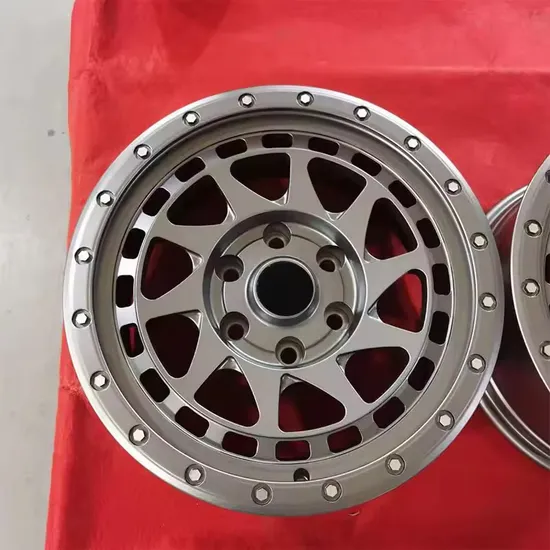
5 6 Holes Aluminum Alloy Forged Off-Road SUV Wheel Rim
$40.00
View Specifications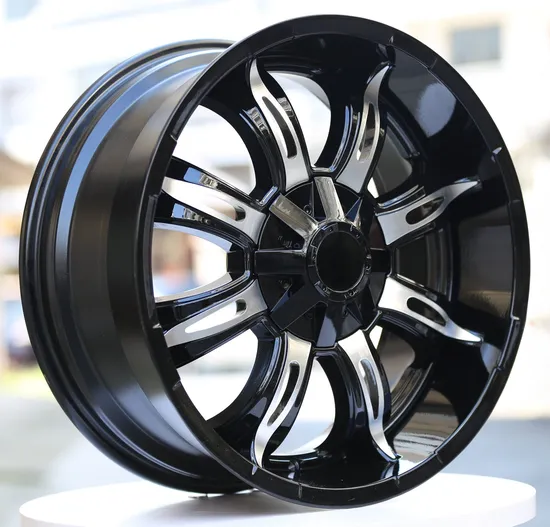 02
WHEEL RIM/HUB
20inch*9j 6*139.7 High Performance SUV Wheel Rim
$20.00
View Specifications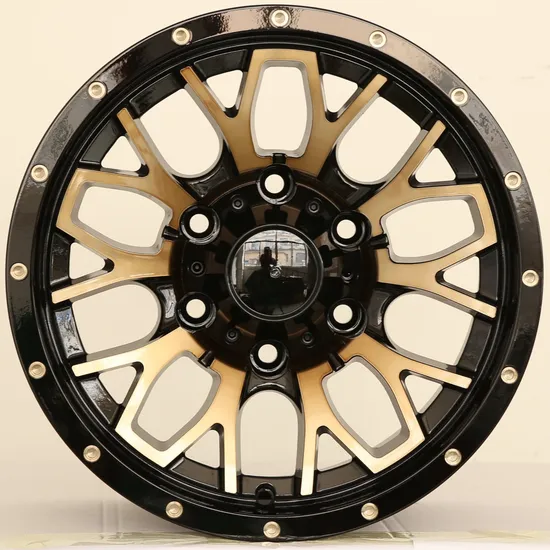 03
WHEEL RIM/HUB
4*4 Offroad 14 Inch Alloy Rims SUV Wheels
$40.00
View Specifications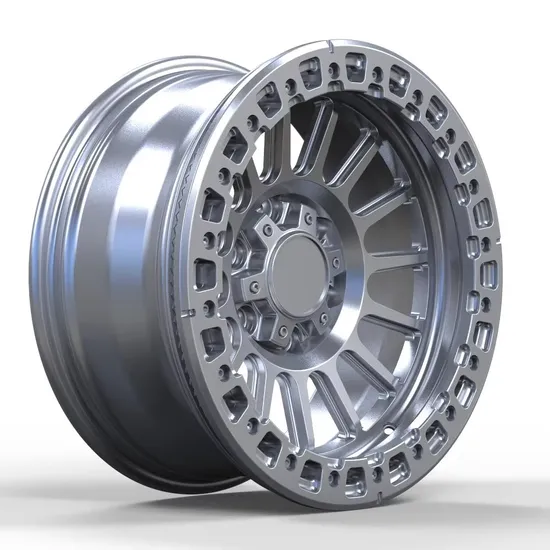 04
WHEEL RIM/HUB
High Performance 5 Holes Beadlock Aluminum Alloy SUV Wheel Rim
$40.00
View SpecificationsTrial order offer
Free samples. 10% off your first order.
Test fitment and finish on your own vehicles before committing. New buyers get 10% off the first confirmed order, with a factory-direct quote inside 24 hours.
Terms apply. Discount valid for first orders from new customers only.
120+
Export markets
25M+
Parts delivered
24h
Quote reply
Keep reading
Related sourcing and fitment guides
Aug 9, 2026 · Buying Guide
Car Rims Price in Vietnam: 2026 Wholesale Supplier Guide
Evaluate car rims price in Vietnam by analyzing manufacturing processes, surface treatments, and minimum order quantities that drive actual costs. Compare casting, flow forming,…
Read the Guide
Aug 9, 2026 · Buying Guide
Best Alloy Wheels for Jordan Market: 2026 Buyer Guide
Sourcing the best alloy wheels for Jordan market requires navigating strict customs rules and specific size demands. Focus on 17-inch rims with mandatory JWL…
Read the Guide Aug 8, 2026 · Buying Guide
Buy 18 Inch Alloy Wheels with VIA TUV Certification Wholesale Supplier
Source 18 inch alloy wheels with VIA TUV certification that clear customs without demurrage. Verify certificate numbers match hub stamping and packing lists exactly…
Read the GuideGet a quote
Send your OE numbers. Get a factory-direct quote within 24 hours.
Jinan Yoker Auto Parts supplies brake discs and drums, cooling radiators, AC condensers and wheel rims from Jinan, China to buyers in 120+ countries. One inquiry covers every category.
-
WhatsApp
8618753183983 -
Email
cathyzhao@jnyoker.com -
Address
Yuqinghu Street, Huaiyin District, Jinan City, Shandong Province
-
Response time
Quote within 24 hours