
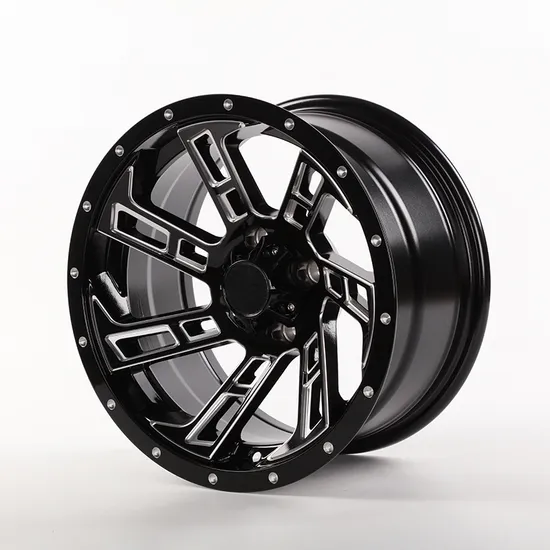
15 Inch Alloy Wheels Factory Price Wholesale Supplier China
- Aug 4, 2026
- author
- Brake · Cooling · A/C · Wheels
15 Inch Alloy Wheels Factory Price Wholesale Supplier China
Smaller rim sizes do not automatically mean lower unit costs — custom 15 inch configurations often carry higher per-piece mold amortization than standard 18 inch production runs.
In 2026, the FOB price range for 15 inch alloy wheels from China factories sits between $28 and $65 per piece, determined by four variables: manufacturing process, surface treatment, certification requirements, and order volume. Casting processes occupy the lower tier, flow-forming sits in the mid-range, and forging commands the premium end. Buyers who treat the quoted FOB number as the final landed cost routinely discover hidden surcharges that inflate the real expense by a noticeable margin.
I remember standing inside a customs warehouse in Monterrey, watching a full container of matte black 15 inch wheels get held for over a week because the packing list had net weight and gross weight swapped. The demurrage charges alone erased a meaningful portion of that shipment’s margin. That kind of mistake does not happen because someone is careless — it happens because the quoting stage never forced a clear conversation about which costs sit inside the FOB number and which sit outside it. When I shifted from handling shipping documents to negotiating directly with buyers, the pattern became obvious: purchasers care less about polished sales pitches and more about whether the 15 inch alloy wheels price you quote actually includes the mold fee, whether the sampling cycle aligns with their peak season, and whether certification costs have been absorbed or silently passed through. [NEED_CITE: global alloy wheel trade volume and pricing trend analysis by major customs databases]
Let me break down the real structure behind 15 inch alloy wheels price so you can evaluate any quote with confidence.
What Factors Determine 15 Inch Alloy Wheel Pricing in 2026?
Four cost variables drive the final 15 inch alloy wheels price from any China-based factory: manufacturing process, surface treatment complexity, certification scope, and order quantity. These are not abstract categories — each one maps directly to a line item on your invoice, and understanding how they interact prevents you from comparing two quotes that are fundamentally measuring different products.
The manufacturing process creates the widest price spread. Gravity casting remains the most economical method, suitable for high-volume standard designs where structural demands stay within conventional limits. Flow-forming (also called rotary forging or spin forming) stretches the barrel section under heat and pressure, producing a lighter wheel with improved grain structure along the rim — this adds a noticeable cost layer compared to pure casting. Full forging compresses aluminum billet under extreme pressure, delivering the highest strength-to-weight ratio but at a substantially higher production cost. [NEED_CITE: comparative manufacturing cost structure of casting versus flow-forming versus forging in aluminum alloy wheel production]
| Process | Relative Cost Tier | Weight Advantage | Typical Application |
|---|---|---|---|
| Gravity Casting | Entry | Baseline | Standard aftermarket, fleet replacement |
| Flow-Forming | Mid | Noticeably reduced | Performance aftermarket, tuned vehicles |
| Full Forging | Premium | Substantially reduced | Racing, luxury modification, OEM performance |
Surface treatment is the second variable, and it carries a counterintuitive trap. Many buyers assume matte black is the cheapest finish because it looks simple. In reality, achieving a consistent matte black requires additional coating layers and controlled curing compared to a standard gloss black — the cost differential between matte and gloss can reach a meaningful percentage. The general cost hierarchy runs: standard paint < electroplating < machined face < custom color matching. [NEED_CITE: surface treatment cost comparison across alloy wheel finishing methods]
Certification requirements form the third variable. Wheels destined for different markets carry different compliance obligations. A buyer sourcing for the Japanese aftermarket needs JWL/VIA certification; European distribution requires TÜV marking; US market entry benefits from DOT alignment. Each certification program involves testing fees, factory audit costs, and ongoing compliance maintenance — these expenses get distributed across the order volume, meaning a small batch carrying full certification absorbs a heavier per-piece burden than a large run.
Order quantity operates as the fourth variable, and its interaction with the other three determines whether your unit cost moves favorably. I will address this in detail below.
What Is the Real FOB Price Range for 15 Inch Wheels from China?
For 2026, the realistic FOB price band for 15 inch alloy wheels sourced from Chinese manufacturers spans from the low twenties to the mid-sixties in US dollars per piece, segmented clearly by process tier.
Gravity-cast 15 inch wheels in standard finishes (gloss black, silver, basic machined face) with conventional bolt patterns occupy the entry-level range. These are the wheels that fill containers bound for tire shop restocking and general aftermarket distribution across Latin America, Southeast Asia, and parts of the Middle East. The pricing here reflects mature production tooling, widely available mold designs, and high throughput.
Flow-formed 15 inch wheels push into the mid-range. The additional processing step — heating the cast barrel and spinning it under roller pressure — adds labor time, energy consumption, and equipment depreciation. Buyers who specify flow-forming typically target the performance modification segment, where weight reduction and visual depth matter. The price gap between a cast 15 inch wheel and a flow-formed 15 inch wheel of comparable design is substantial enough that buyers should confirm the process in writing rather than rely on verbal assurances. [NEED_CITE: average FOB export price ranges for aluminum alloy wheels by size and process from China customs trade data]
Fully forged 15 inch wheels sit at the top of the range. Forging presses capable of handling wheel-scale billets represent significant capital investment, and the machining time per piece after forging exceeds what casting requires. This tier serves racing applications, high-end modification shops, and OEM performance programs. The 15 inch alloy wheels price at this level reflects genuine engineering value, not merely brand positioning.
A critical point that catches first-time importers off guard: the quoted 15 inch alloy wheels price almost never includes the cost of certification amortization unless explicitly stated. A factory quoting $32 per piece for a cast wheel may be assuming the buyer will handle their own market compliance, while another factory quoting $36 for the same specification may have built TÜV testing costs into the unit price. Comparing these two numbers without understanding what sits inside each quote leads to flawed decisions.
How Does MOQ Impact Per-Piece Cost for Wholesale Buyers?
Order volume creates a stepped cost curve where each threshold unlocks a meaningful per-piece reduction, but the relationship between MOQ and total cost efficiency requires careful balancing against inventory turnover.
Most China-based alloy wheel manufacturers structure their pricing across several volume tiers. At the smallest scale — a few dozen pieces — buyers are essentially paying for sampling convenience rather than production efficiency. The factory runs these pieces alongside other orders, setup costs get distributed across very few units, and the per-piece price reflects this reality.
Moving into the hundreds changes the equation. The factory can dedicate a production slot, optimize the casting or machining sequence for your specific specification, and spread setup costs across a larger base. The per-piece drop from the smallest tier to a mid-volume order is significant — enough that serious buyers should plan their purchasing calendar around these thresholds rather than placing reactive small orders.
At the highest volume tiers — full container loads of a single SKU or multi-container commitments — the 15 inch alloy wheels price reaches its most competitive level. Tooling amortization becomes negligible per unit, raw material purchasing power passes through as a discount, and the factory has incentive to lock in the relationship with favorable terms.
I worked with a modification shop in Santiago that initially ordered small mixed batches across dozens of SKUs. Their per-piece cost stayed high because no single design reached efficient production volume. Once we restructured their purchasing around a core set of best-selling designs with periodic test quantities of new styles, their average unit cost dropped noticeably — and their inventory turnover actually improved because they stopped sitting on slow-moving odd pieces. [NEED_CITE: MOQ tier pricing structure and volume discount patterns in alloy wheel manufacturing]
| Order Volume Tier | Per-Piece Cost Impact | Inventory Consideration |
|---|---|---|
| Sampling Quantity | Highest unit cost | Minimal stock commitment |
| Mid-Volume Batch | Noticeably reduced | Balanced turnover risk |
| Full Container Single SKU | Substantially reduced | Requires demand confidence |
| Multi-Container Commitment | Most competitive | Needs reliable sell-through |
The trap here is ordering large volume too early. A buyer who commits to a full container of a single 15 inch design before validating market response risks holding dead stock. The smarter approach uses initial mid-volume orders to confirm fitment demand, then scales to full-container pricing once the data supports it.
What Hidden Costs Should Buyers Include Beyond FOB Price?
The 15 inch alloy wheels price quoted on a proforma invoice rarely represents the true landed cost — certification amortization, packaging upgrades, sampling expenses, and mold fees commonly add a meaningful layer above the FOB number.
Certification costs deserve the most attention because they are the least visible. When a factory states that their wheels carry VIA, TÜV, or DOT alignment, the testing and audit expenses behind that claim do not vanish — they get distributed somewhere. If the factory absorbs them, your per-piece price is higher but your compliance burden is lower. If the factory expects you to arrange independent testing, your upfront cost looks lower but your actual expenditure rises once you commission the lab work. Always ask which scenario applies. [NEED_CITE: certification cost allocation methods in alloy wheel export transactions]
Packaging presents another hidden variable. Standard export packaging uses basic cardboard dividers and stretch wrap — adequate for container shipping but insufficient for e-commerce fulfillment or retail shelf presentation. Upgrading to individual boxes with foam inserts, branded labeling, and palletization for Amazon warehouse compliance adds a per-piece cost that buyers frequently overlook until the goods arrive and they face repackaging expenses.
Sampling and mold fees operate differently depending on whether you are ordering existing catalog designs or requesting custom specifications. Catalog wheels carry no mold cost because the tooling already exists and its amortization sits inside the standard pricing. Custom designs — whether you need a specific offset, a unique spoke pattern, or a proprietary finish — require new mold creation, and this cost appears as a one-time charge that must be evaluated against the total order volume to understand its per-piece impact.
A distributor in Dubai learned this lesson when their first order’s quoted 15 inch alloy wheels price looked attractive, but the subsequent mold fee for a custom center bore adaptation and the packaging upgrade for retail-ready boxes pushed the real per-unit cost well above what they had budgeted. The lesson: always request a complete cost breakdown before comparing quotes.
How to Compare Quotes from Different 15 Inch Wheel Suppliers?
Building a structured comparison matrix across process, certification, lead time, and after-sales terms protects buyers from the illusion of cheap pricing that masks inferior specifications or incomplete cost coverage.
The most common mistake in quote comparison is isolating the per-piece number and treating it as the sole decision criterion. Two factories may quote different 15 inch alloy wheels price levels for what appears to be the same product, but the underlying specifications may diverge in ways that only become apparent after delivery.
Start by confirming the manufacturing process. A quote that does not explicitly state whether the wheel is cast, flow-formed, or forged leaves room for the factory to supply the cheapest interpretation. Demand written process confirmation tied to the purchase order.
Next, verify certification scope. Does the quoted price include the certification mark on the wheel, or does the factory supply uncertified wheels that you must test independently? The price gap between these two options should match the realistic cost of compliance — if it does not, one side is misrepresenting something.
Lead time consistency matters more than buyers typically assume. A factory offering a slightly lower 15 inch alloy wheels price but quoting extended delivery windows may create stockout costs that exceed the unit savings. Conversely, a factory promising unusually fast turnaround may be planning to consolidate your order with other buyers’ production runs, reducing your control over scheduling.
After-sales terms round out the comparison. Structural warranty coverage, defect replacement policies, and claim response timelines vary significantly between manufacturers. A modest per-piece premium from a factory offering clear warranty terms often delivers better total cost performance than the lowest quote from a supplier who disappears when problems arise.
| Comparison Dimension | What to Verify | Risk of Not Checking |
|---|---|---|
| Manufacturing Process | Written confirmation on PO | Receiving lower-tier process |
| Certification Scope | Mark inclusion in unit price | Unexpected compliance costs |
| Lead Time | Production slot commitment | Stockout or demurrage charges |
| After-Sales Terms | Warranty and claim policy | Unrecoverable defect losses |
Conclusion
The 15 inch alloy wheels price you see on a quote is a starting point, not a finish line — understanding the process tier, certification inclusion, volume leverage, and hidden cost layers separates informed buyers from those who discover unpleasant surprises after the container arrives. Build your evaluation around a complete cost structure rather than a single number, and the supplier who offers transparency across all four variables will consistently outperform the one who wins on headline price alone.
Where these parts are used
Products in this article
Parts mentioned above, ready to quote
Each part below ships from Jinan Yoker Auto Parts with export-standard packing and full-process inspection.
01 WHEEL RIM/HUB
5X112 5X120 17-21 inch Car Alloy Wheels China Factory
$40.00
View Specifications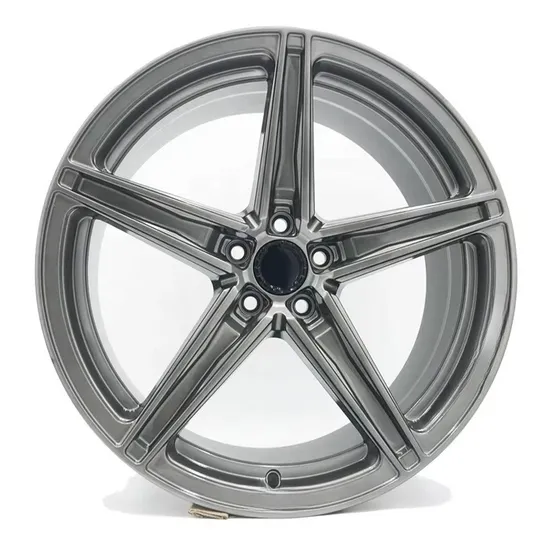 02
WHEEL RIM/HUB
17 18 Inch Aluminum Alloy Wheels Oy17167 Factory Direct
$41.00
View Specifications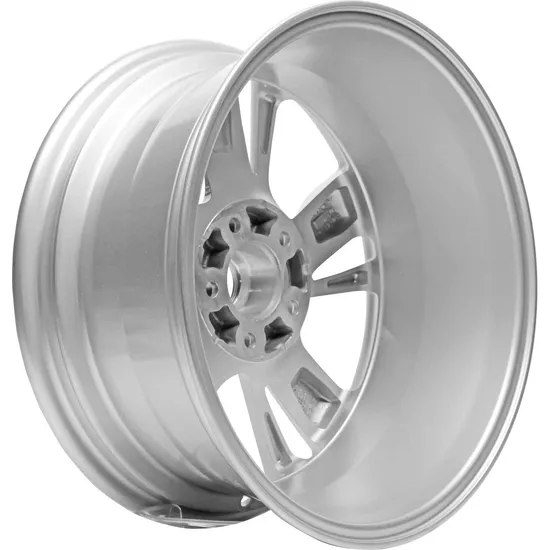 03
WHEEL RIM/HUB
15-18 Inch Cheap Factory Forged Alloy Car Replica Wheels Rims
$40.00
View Specifications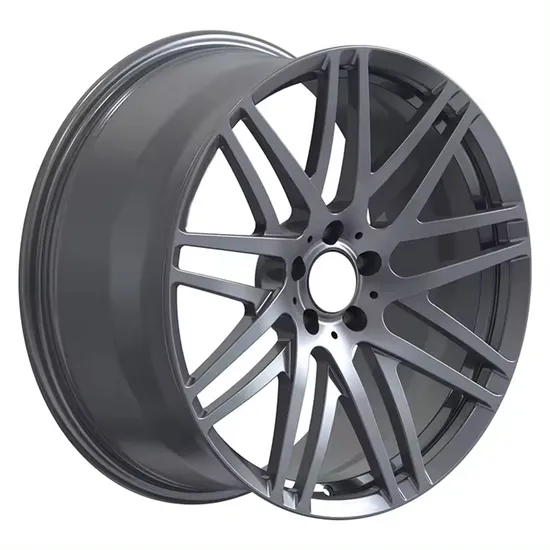 04
WHEEL RIM/HUB
Forged Alloy Wheels 18-24 Inch Custom Passenger Car Rims Factory Direct
$40.00
View SpecificationsTrial order offer
Free samples. 10% off your first order.
Test fitment and finish on your own vehicles before committing. New buyers get 10% off the first confirmed order, with a factory-direct quote inside 24 hours.
Terms apply. Discount valid for first orders from new customers only.
120+
Export markets
25M+
Parts delivered
24h
Quote reply
Keep reading
Related sourcing and fitment guides
Aug 9, 2026 · Buying Guide
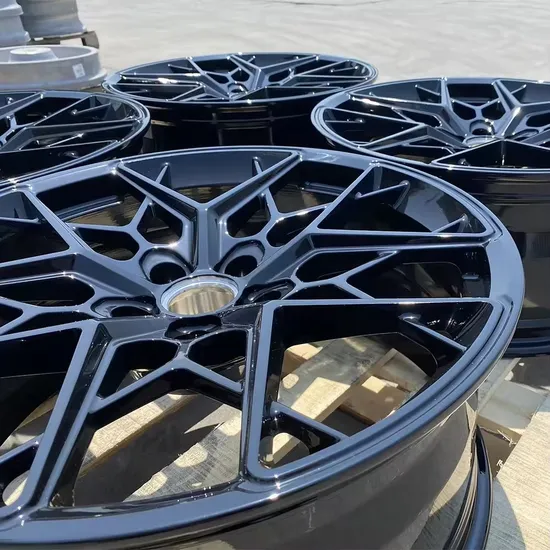
Car Rims Price in Vietnam: 2026 Wholesale Supplier Guide
Evaluate car rims price in Vietnam by analyzing manufacturing processes, surface treatments, and minimum order quantities that drive actual costs. Compare casting, flow forming,…
Read the Guide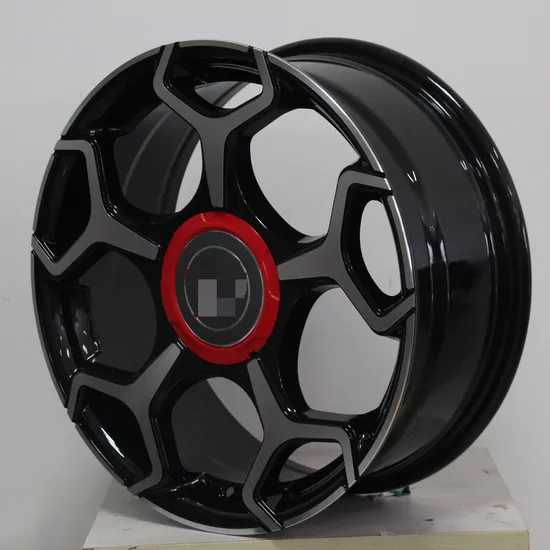
Aug 9, 2026 · Buying Guide
Best Alloy Wheels for Jordan Market: 2026 Buyer Guide
Sourcing the best alloy wheels for Jordan market requires navigating strict customs rules and specific size demands. Focus on 17-inch rims with mandatory JWL…
Read the Guide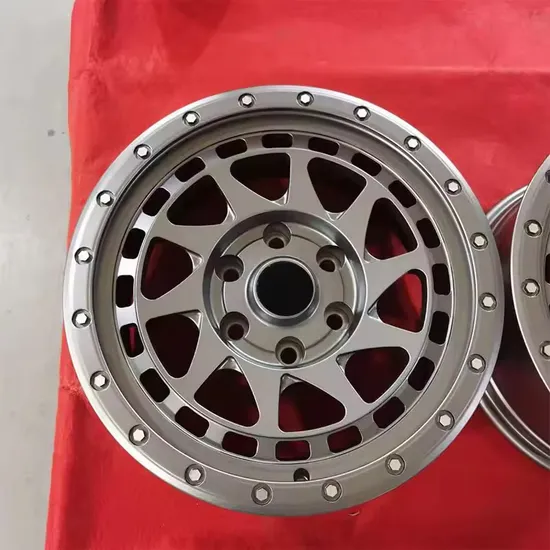
Aug 8, 2026 · Buying Guide
SUV Wheels Wholesale: Bulk Order from China Manufacturer
Stop comparing FOB quotes and start calculating true landed costs for SUV wheels wholesale. Learn to amortize mold fees, verify DOT and JWL certifications,…
Read the GuideGet a quote
Send your OE numbers. Get a factory-direct quote within 24 hours.
Jinan Yoker Auto Parts supplies brake discs and drums, cooling radiators, AC condensers and wheel rims from Jinan, China to buyers in 120+ countries. One inquiry covers every category.
-
WhatsApp
8618753183983 -
Email
cathyzhao@jnyoker.com -
Address
Yuqinghu Street, Huaiyin District, Jinan City, Shandong Province
-
Response time
Quote within 24 hours