
Alloy Wheels 12-24 Inch for Peru Market | Wholesale Supplier OEM Factory Direct
- Aug 7, 2026
- author
- Brake · Cooling · A/C · Wheels
Alloy Wheels 12-24 Inch for Peru Market | Wholesale Supplier OEM Factory Direct
Bigger rims do not always move faster off the shelf in Peru. The best alloy wheels for Peru market are split sharply between 16–17 inch high-load units for mining and Andean routes, and 18–20 inch styled rims for coastal city SUVs—each demanding different spoke geometry, load ratings, and surface treatments rather than a one-size-fits-all catalog.
I still remember walking into a pickup改装 shop near a copper mining corridor outside Arequipa. The owner pointed at a stack of 20-inch machined-face rims and said they had been sitting for months, while the 16-inch heavy-duty units he ordered twice already were back on trucks within weeks. That conversation reshaped how I look at every Peru inquiry—first question is never "what size looks good," but "where will these wheels actually roll." [NEED_CITE: Peru vehicle registration statistics by region and vehicle type]
The best alloy wheels for Peru market must satisfy three realities at once:碎石-laden mountain roads that punish thin rims, a Pacific coastline that eats weak paint in months, and a buyer base that mixes fleet operators with retail tuners in the same container. Getting this wrong means returns, warranty claims, and a reputation that travels faster than the next shipment.
Let me walk you through the specs, finishes, load logic, and ordering checks that actually separate a profitable Peru allocation from a warehouse headache.
What Sizes and Specs Sell Best in Peru?
The Peru market splits into two clear fitment tiers—16–17 inch for work vehicles and 18–20 inch for urban SUVs—and mixing them up in your first order is the single most common mistake new importers make.
When I first started handling Latin American accounts, I assumed the global trend toward larger diameters applied everywhere. Peru proved me wrong within one container cycle. The mining provinces around Tacna, Moquegua, and the central highlands run Toyota Hilux, Nissan Frontier, and Chevrolet S10 fleets on gravel and unpaved roads. Those trucks need thick-lipped 16-inch and 17-inch rims with reinforced spoke roots. Meanwhile, Lima, Trujillo, and Chiclayo see strong demand for 18-inch and 20-inch deep-concave and mesh designs on Ford Everest, Toyota Fortuner, and Mitsubishi Montero Sport. [NEED_CITE: Latin America aftermarket wheel size distribution by vehicle segment]
Here is how the two tiers compare on the parameters that actually matter for Peru:
| Parameter | 16–17 Inch Mining/Work Tier | 18–20 Inch Urban SUV Tier |
|---|---|---|
| Typical PCD | 6×139.7, 6×114.3 | 6×139.7, 5×150 |
| Load Rating Emphasis | Substantially extended vs OEM baseline | Standard to moderately elevated |
| Spoke Structure | Thick-root, fewer spokes, reinforced | Multi-spoke, deep concave, aesthetic priority |
| Surface Priority | Impact and chip resistance | Salt-spray and UV resistance |
| Turnover Speed | Noticeably faster, repeat orders frequent | Slower, seasonal and trend-dependent |
| Common Complaint Source | Spoke-root fatigue cracks | Clearcoat peeling, curb rash |
A distributor in Lima once told me he kept a full warehouse of 19-inch gloss-black mesh wheels and barely moved them, while his 16-inch matte-black six-spoke units for Hilux fleets reordered every other month. The lesson is not that large rims are bad—it is that the best alloy wheels for Peru market must be allocated by geography, not by what looks best in a catalog photo.
For PCD and center bore reference, the 6×139.7 pattern dominates pickup and SUV fitments across the Andean corridor, while 5×114.3 and 5×150 cover select Japanese and American nameplates. [NEED_CITE: Peru vehicle parc composition by origin market] Getting these wrong means a container of wheels that fits nothing in the country you shipped to.
Which Surface Finish Survives Peru’s Climate?
Coastal cities demand electrophoretic base coats paired with matte or satin top layers; inland highlands can tolerate machined face, but full chrome remains a complaint magnet nationwide.
Lima sits at roughly 12 degrees south latitude on the Pacific, with humidity frequently above eighty percent and a persistent salt-laden mist called garúa for much of the year. I have seen machined-face rims with only a clear coat start showing white oxidation spots along the spoke edges within a single rainy season. The issue is not the alloy—it is the finish system.
For the best alloy wheels for Peru market, the surface specification should follow this logic:
- Coastal regions (Lima, Callao, Chimbote, Trujillo): Electrophoretic deposition base plus matte black, gunmetal, or hyper silver top coat. The E-coat seals the aluminum against chloride intrusion; the top coat handles UV and aesthetic longevity. [NEED_CITE: salt-spray test methodology per international automotive coating standards]
- Inland highlands and mining zones (Arequipa, Cusco, Cerro de Pasco): Machined face with sealed clear coat is acceptable, but matte and gunmetal finishes still outperform in chip resistance against gravel impacts.
- Nationwide: Full chrome plating generates disproportionately high warranty claims in humid zones. The micro-porous nature of chrome allows moisture penetration that leads to blistering from the substrate outward.
| Finish Type | Coastal Humidity Resistance | Gravel Impact Resistance | Warranty Claim Frequency |
|---|---|---|---|
| Machined Face + Clear Coat | Vulnerable | Resistant | Noticeably elevated in coastal zones |
| Matte Black + E-Coat Base | Robust | Robust | Substantially reduced |
| Gunmetal + E-Coat Base | Robust | Resistant | Substantially reduced |
| Full Chrome | Vulnerable | Vulnerable | Noticeably elevated nationwide |
One pattern I watch for in every Peru order is whether the buyer has specified an E-coat base layer at all. Many factories skip it to cut cost, and the wheel looks identical on day one. Six months later on a Callao delivery van, the difference is written in blisters. The best alloy wheels for Peru market always include that hidden layer when the destination includes coastline.
How to Match Load Rating with Local Terrain?
Mining-adjacent pickup fleets need load capacity rated meaningfully above the OEM baseline, with spoke geometry designed for impact fatigue rather than visual thinness.
Peru’s mining sector drives a disproportionate share of aftermarket wheel volume in the 16–17 inch segment. These vehicles carry heavy payloads up unpaved mountain roads where each pothole and embedded rock delivers a sharp impact load to the rim. A wheel designed purely to meet the static load number on paper will still fail in cyclic fatigue if the spoke root geometry is too slender or the rim lip too thin. [NEED_CITE: wheel fatigue testing methodology under dynamic impact standards]
When I review load specifications for Peru mining customers, I check three structural features:
- Spoke root thickness: Must be visibly broader than passenger-car equivalents. A thin, elegant spoke that looks premium in a rendering will crack at the hub interface after repeated gravel impacts.
- Rim lip profile: The outer bead area needs reinforced contouring. Thin-lip designs sacrifice impact resistance for aesthetic depth—exactly the wrong trade-off for Andean routes.
- Load index margin: The rated capacity should sit at least one tier above the vehicle’s gross axle weight specification. Running at the exact limit leaves no safety buffer for overload conditions common in mining logistics.
| Terrain Profile | Required Structural Emphasis | Typical Failure Mode if Underspecified |
|---|---|---|
| Unpaved mountain mining roads | Thick spoke roots, reinforced rim lip | Spoke-root fatigue cracking |
| Coastal urban paved roads | Standard structure, finish priority | Cosmetic degradation only |
| Mixed use (highland + city) | Balanced structure, durable finish | Either structural or cosmetic failure |
A fleet operator running Hilux units between a copper mine and a coastal processing facility told me his previous supplier’s 16-inch wheels passed static load certification but started developing hairline cracks at spoke roots after a few months of loaded mountain runs. The root cause was not the alloy composition—it was the spoke geometry optimized for weight reduction rather than impact endurance. The best alloy wheels for Peru market in this segment prioritize structural mass where it matters, not where it shows in a product photo.
What Should Importers Check Before Ordering?
Certification documentation, salt-spray test reports, and mixed-SKU container loading plans are the three verification gates that separate a reliable supplier from a risky one.
Before committing to a full container of the best alloy wheels for Peru market, every importer should run through a verification checklist that goes beyond price comparison. I have seen buyers focus entirely on per-piece cost and discover too late that the wheels lack the documentation needed for Peruvian customs, or that the finish cannot survive the local climate, or that the SKU mix in the container creates months of dead stock.
The three critical checks:
Certification and compliance files. Peru’s import regulations require specific technical documentation for automotive wheels. Verify that the supplier can provide traceable test certificates covering structural integrity, material composition, and dimensional accuracy. Multi-certification frameworks covering international standards significantly smooth the customs clearance process and reduce the risk of shipment holds. [NEED_CITE: Peru automotive parts import documentation requirements]
Salt-spray and coating durability reports. Ask for test data—not marketing claims—on the finish system’s resistance to chloride exposure. A supplier confident in their coating process will provide verifiable test duration and methodology. If the response is vague or deflects to "our paint is very good," treat that as a warning signal.
Mixed-SKU container planning. A full container of a single size might look efficient on paper, but Peru’s market structure demands a blended allocation. The mining tier moves fast in 16–17 inch; the urban tier moves slower in 18–20 inch. A container loaded entirely with 19-inch gloss mesh wheels will leave most of the inventory sitting while the fast-moving 16-inch matte units are already sold out and awaiting reorder. Suppliers who can support flexible mixed-SKU loading with low minimum thresholds per size give importers the ability to match actual demand patterns rather than guess.
When I work with Peru buyers on their first orders, I always suggest starting with a blended container that reflects the regional demand split—enough 16–17 inch work-spec units to keep the mining and fleet channels supplied, plus a measured allocation of 18–20 inch styled units for the urban retail segment. This approach tests the market response across both tiers without overcommitting to a single size. Suppliers offering low minimums per SKU and structural warranty coverage give importers the confidence to build that initial allocation without carrying excessive risk.
Conclusion
The best alloy wheels for Peru market are defined by terrain-driven specs, climate-matched finishes, and order structures that reflect regional demand—not by catalog appearance alone. Importers who allocate by geography, specify E-coat base finishes for coastal zones, verify load margins for mining applications, and plan mixed-SKU containers from the start build a supply chain that turns reliably rather than sits and oxidizes.
Where these parts are used
Products in this article
Parts mentioned above, ready to quote
Each part below ships from Jinan Yoker Auto Parts with export-standard packing and full-process inspection.
01 WHEEL RIM/HUB
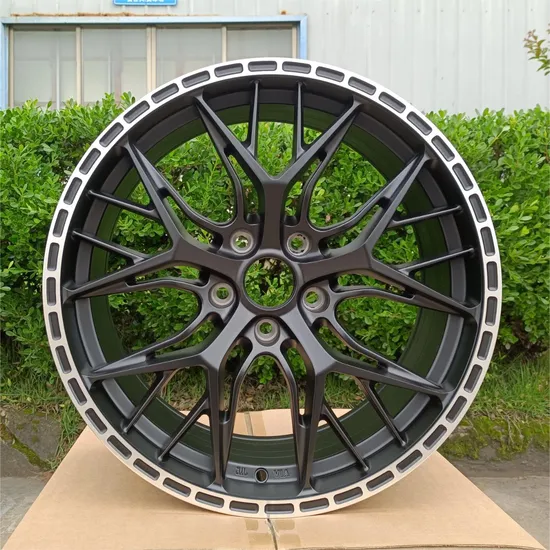
18*8.5 Flow-Forming Alloy Wheels 5X114.3 5X100 Rims
$30.00
View Specifications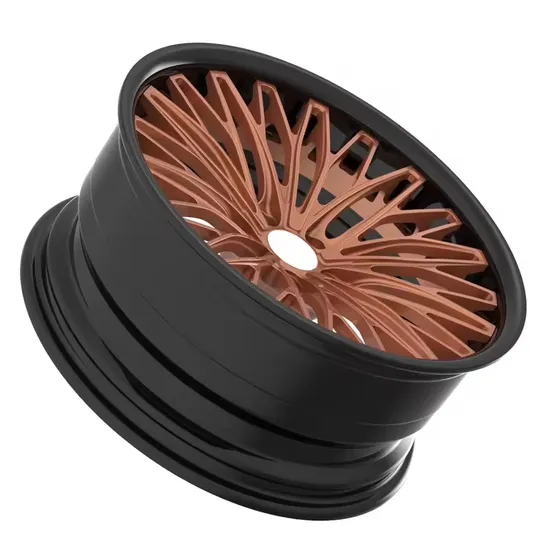 02
WHEEL RIM/HUB
Replica Alloy Wheels for Pickup Trucks Van OEM ODM Customization
$35.00
View Specifications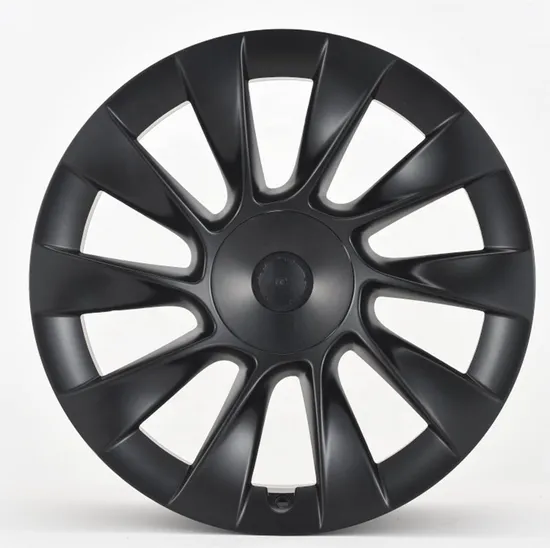 03
WHEEL RIM/HUB
Alloy Wheel 17X7 18X8 19X8.5 PCD 5X112 Oy17108 Black Machine Face Rims
$47.00
View Specifications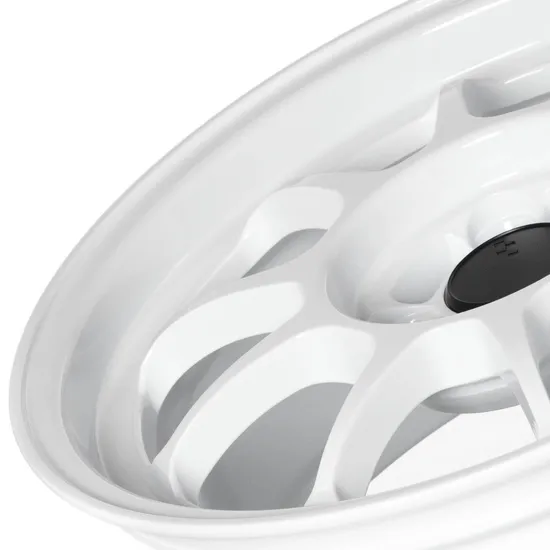 04
WHEEL RIM/HUB
Hot Sale OEM White Forged Casting Aluminum Car Alloy Wheels
$40.00
View SpecificationsTrial order offer
Free samples. 10% off your first order.
Test fitment and finish on your own vehicles before committing. New buyers get 10% off the first confirmed order, with a factory-direct quote inside 24 hours.
Terms apply. Discount valid for first orders from new customers only.
120+
Export markets
25M+
Parts delivered
24h
Quote reply
Keep reading
Related sourcing and fitment guides
Aug 9, 2026 · Buying Guide
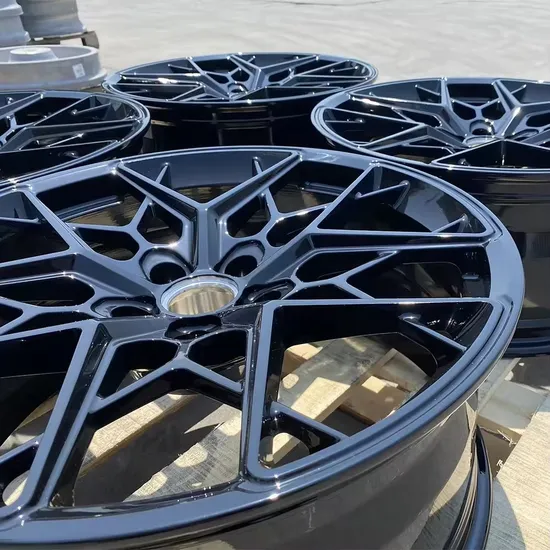
Car Rims Price in Vietnam: 2026 Wholesale Supplier Guide
Evaluate car rims price in Vietnam by analyzing manufacturing processes, surface treatments, and minimum order quantities that drive actual costs. Compare casting, flow forming,…
Read the Guide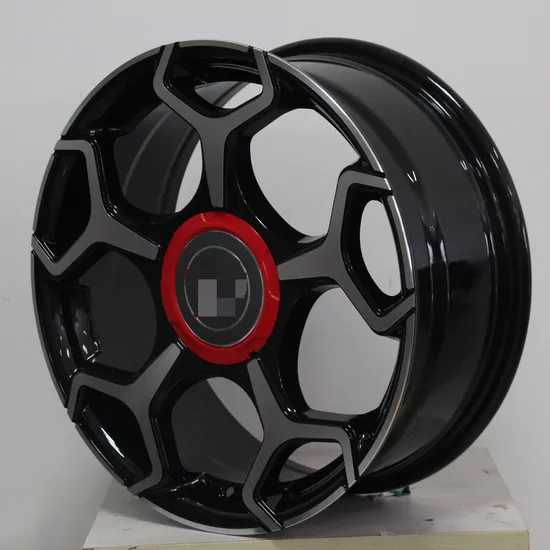
Aug 9, 2026 · Buying Guide
Best Alloy Wheels for Jordan Market: 2026 Buyer Guide
Sourcing the best alloy wheels for Jordan market requires navigating strict customs rules and specific size demands. Focus on 17-inch rims with mandatory JWL…
Read the Guide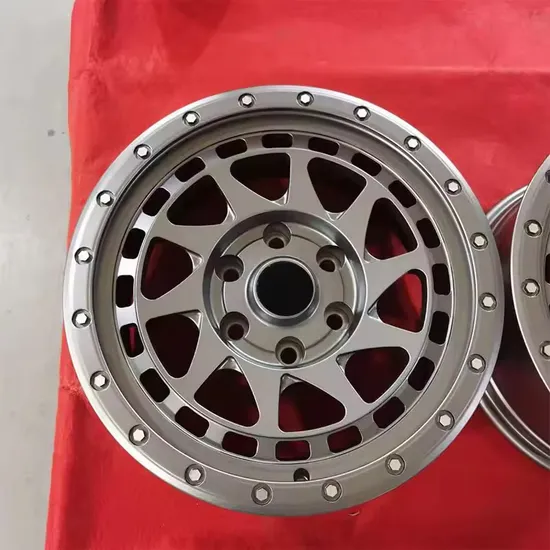
Aug 8, 2026 · Buying Guide
SUV Wheels Wholesale: Bulk Order from China Manufacturer
Stop comparing FOB quotes and start calculating true landed costs for SUV wheels wholesale. Learn to amortize mold fees, verify DOT and JWL certifications,…
Read the GuideGet a quote
Send your OE numbers. Get a factory-direct quote within 24 hours.
Jinan Yoker Auto Parts supplies brake discs and drums, cooling radiators, AC condensers and wheel rims from Jinan, China to buyers in 120+ countries. One inquiry covers every category.
-
WhatsApp
8618753183983 -
Email
cathyzhao@jnyoker.com -
Address
Yuqinghu Street, Huaiyin District, Jinan City, Shandong Province
-
Response time
Quote within 24 hours