
Best Alloy Wheels for Jordan Market: 2026 Buyer Guide
- Aug 9, 2026
- author
- Brake · Cooling · A/C · Wheels
Best Alloy Wheels for Jordan Market: 2026 Buyer Guide
Most buyers assume the Gulf’s appetite for oversized 20-inch rims applies everywhere in the Middle East. In Jordan, that assumption will sink your shipment before it clears Aqaba.
The Jordan aftermarket runs on 17-inch alloy wheels as the volume core, with 18-inch gaining ground among modification shops. JWL and VIA markings are not optional quality badges here — they are hard customs requirements at Aqaba Port. Chrome and machined-face finishes must pass extended salt-spray endurance to survive desert heat combined with winter road salt. Get the sizes, certifications, and surface specs right, and the market moves fast; get any one wrong, and demurrage fees eat your margin.
I spent years sourcing auto parts for modification shops and repair garages in Amman before moving to the factory side of the trade. One shipment still stings — a full container of 17-inch chrome alloy wheels landed at Aqaba, and customs held the entire lot for weeks because the rims lacked VIA identification marks. The demurrage bill ended up exceeding the cargo value, and we had to sell at a steep discount just to clear the port. After that, I started scrutinizing every certification detail for Middle East-bound wheel shipments. Jordan customs officers check JWL and VIA markings with unusual strictness, and end buyers treat chrome finish quality as a proxy for overall build — if the salt-spray performance falls short, returns follow quickly.
Let me walk you through what actually sells, what customs demands, and where buyers commonly stumble.
What Sizes Sell Best in Jordan?
Seventeen-inch alloy wheels dominate Jordan’s aftermarket volume, while 18-inch rims are rising in the modification segment. Fifteen-inch and 16-inch remain relevant for commercial and budget passenger vehicles, but 19-inch and above move slowly outside niche luxury builds.
The vehicle parc in Jordan tells the story. Toyota, Hyundai, Kia, and Nissan make up the bulk of passenger vehicles on the road, and their most common OEM fitments sit in the 15-to-17-inch range [NEED_CITE: Jordan vehicle registration statistics by make and model distribution]. When these owners upgrade, they typically stay at 17-inch or step up one size to 18-inch — anything larger creates fitment complications with local suspension setups and pothole-prone roads outside central Amman.
| Size Range | Primary Application | Demand Volume | Typical Vehicle Match |
|---|---|---|---|
| 15-16 inch | Commercial, budget passenger | Moderate | Older Toyota sedans, Kia commercial vans |
| 17 inch | Mainstream aftermarket upgrade | Highest | Toyota Corolla/Camry, Hyundai Elantra/Tucson, Kia Sportage |
| 18 inch | Modification shops, enthusiast builds | Growing | Nissan Altima, Toyota Avalon, mid-size SUVs |
| 19 inch and above | Luxury, niche custom | Low | BMW, Mercedes, Land Rover — limited buyer pool |
A modification shop in western Amman once told me they keep 17-inch and 18-inch alloy wheels in a three-to-one stocking ratio. The 17-inch sells through repair garages as a replacement upgrade; the 18-inch goes to customers specifically asking for a visual stance change. Twenty-inch requests come in maybe twice a month, and half the time the buyer changes their mind once they hear the price and the ride-quality trade-off.
Color preferences run in a clear order: machined face with gloss black spokes leads, followed by hyper silver, then matte black. Chrome still moves but has lost ground to machined-face combinations over recent years. Bronze and gunmetal appeal to a smaller enthusiast segment but rarely justify bulk stocking.
The takeaway is straightforward: build your Jordan inventory around 17-inch as the anchor, layer in 18-inch for modification shop accounts, and treat anything above 19-inch as special-order only.
Which Finishes Survive Jordan’s Climate?
Standard chrome plating designed for Southeast Asian or European markets will peel and blister in Jordan within a single summer-winter cycle. The combination of extreme desert heat, UV exposure, and winter road de-icing salts demands salt-spray endurance well beyond basic export specifications.
Jordan’s climate presents a dual corrosion challenge that many first-time buyers underestimate. Summer temperatures in the Jordan Valley regularly exceed 40°C, baking wheel surfaces and accelerating any microscopic coating weakness. Winter brings rain and, in higher-elevation areas like Amman and Ajloun, occasional snow that requires road salt treatment [NEED_CITE: Jordan climate data and road maintenance de-icing practices]. The wheel surface endures thermal cycling between extreme heat and chemical salt exposure — a combination that暴露s coating adhesion failures far faster than either factor alone.
| Finish Type | UV Resistance | Salt-Spray Endurance | Suitability for Jordan |
|---|---|---|---|
| Standard chrome (basic spec) | Moderate | Vulnerable | Not recommended — high failure risk |
| Chrome with enhanced salt-spray treatment | Good | Resistant | Recommended for premium segment |
| Machined face + clear coat | Good | Robust | Best balance of aesthetics and durability |
| Matte black powder coat | Excellent | Resistant | Strong demand, reliable performance |
| Gloss black powder coat | Excellent | Resistant | High volume, proven track record |
| Hyper silver painted | Moderate | Standard | Acceptable with quality clear coat |
I have seen batches of bright chrome alloy wheels arrive in Amman looking flawless, then develop micro-blistering along the spoke edges within months. The root cause was insufficient salt-spray endurance in the plating process — the coating passed basic quality checks but could not withstand the thermal-chemical cycling specific to this market.
A wholesale buyer in Zarqa learned this the hard way. He ordered a large quantity of chrome-finished 17-inch alloy wheels at an attractive price point, skipped asking for salt-spray test documentation, and distributed them to retail shops across three governorates. Within half a year, warranty claims started pouring in. The total cost of replacements and lost customer trust far exceeded the initial savings on per-piece pricing.
When evaluating alloy wheels for Jordan, always request the manufacturer’s salt-spray test documentation and confirm the endurance rating meets extended standards. Machined face with a quality clear coat and powder-coated finishes in matte or gloss black offer the most reliable performance. If chrome is a must for your customer base, insist on enhanced corrosion treatment and verify it with test certificates.
What Certifications Does Jordan Customs Require?
JWL and VIA markings are mandatory for alloy wheel clearance at Aqaba Port. Shipments arriving without these identification marks face detention, and demurrage costs accumulate on a weekly basis until documentation is resolved or the cargo is re-exported.
This is the single most critical compliance point for any buyer targeting the Jordan market, and it catches more first-time importers off guard than any other issue. Jordan customs authorities require alloy wheels to carry JWL (Japan Light Alloy Wheel) and VIA (Vehicle Inspection Agency) certification markings physically cast or engraved into the wheel structure [NEED_CITE: Jordan customs import regulations for automotive wheel rims and certification requirements]. These are not decorative labels — officers inspect the wheel barrel and spoke areas for permanent identification.
ISO certification alone does not substitute for JWL/VIA at Jordan customs. While ISO demonstrates the manufacturer’s quality management system, customs specifically looks for the product-level JWL and VIA marks that indicate the wheel model has passed structural testing protocols recognized by Japanese vehicle inspection standards.
| Certification | What It Covers | Jordan Customs Status |
|---|---|---|
| JWL | Structural integrity testing per Japanese standard | Mandatory marking on wheel |
| VIA | Verification of JWL test compliance by third-party agency | Mandatory marking on wheel |
| ISO 9001 / IATF 16949 | Manufacturer quality management system | Supporting document, not a substitute |
| TÜV | European technical approval | Not required for Jordan, useful for other markets |
| CCC | China compulsory certification | Not applicable for Jordan import |
The demurrage scenario I mentioned earlier is not an isolated incident. A buyer from a neighboring country once shared that his container sat at Aqaba for an extended period because the alloy wheels carried JWL markings but lacked the corresponding VIA verification marks. The distinction matters — JWL indicates the wheel design passed testing, while VIA confirms an independent agency verified that specific production batch meets the standard. Jordan customs expects both.
To avoid this, request the following from your supplier before placing an order:
- Copies of valid JWL and VIA certificates for each wheel model in the shipment
- Photographic evidence of the markings on actual production samples
- Confirmation that the markings will be permanently cast or machined into the wheel, not applied as stick-on labels
Some manufacturers offer to provide certification documentation verification services before shipment, allowing buyers to confirm all markings and paperwork are in order before the container leaves the factory. This step costs nothing in delay and prevents port-side disasters.
How to Choose a Reliable Alloy Wheel Supplier for Jordan?
A supplier capable of serving the Jordan market must demonstrate four things: certification completeness for JWL and VIA, flexible minimum order quantities that match aftermarket demand patterns, production lead times that account for shipping to Aqaba, and packaging engineered to prevent transit damage across long ocean freight routes.
Certification is the non-negotiable starting point. Beyond JWL and VIA, a manufacturer holding ISO, TÜV, and other international certifications signals a quality system mature enough to maintain consistent marking and documentation across production batches. Ask for original certificates — not scanned copies of unclear quality — and verify that the certificate holder name matches the supplier you are contracting with.
Minimum order quantity flexibility matters because the Jordan aftermarket does not operate on the same scale as large Gulf distribution markets. A typical wholesale order for a single 17-inch model might range from a few hundred pieces to a full container of mixed sizes. Suppliers requiring minimum orders of several thousand pieces per model force buyers into overstocking slow-moving sizes or paying premium prices for smaller batches.
| Evaluation Dimension | What to Request | Red Flag |
|---|---|---|
| Certification | Original JWL, VIA, ISO certificates; sample photos of markings | Self-reported claims without documentation |
| MOQ Flexibility | Stock models with low MOQ, custom models with reasonable MOQ | Rigid high MOQ across all products |
| Lead Time | Clear production timeline with buffer for ocean freight | Vague commitments without written schedule |
| Packaging | Palletized, corner-protected, shrink-wrapped stacks | Loose stacking, no edge protection |
Packaging deserves specific attention. Ocean freight to Aqaba involves weeks of container transit, and alloy wheels are susceptible to edge chipping and curb-rash damage if stacked without proper separation and protection. A supplier using reinforced pallets with individual wheel separators and corner guards reduces arrival damage rates substantially.
I have worked with manufacturers that maintain complete customs documentation packages — commercial invoices, packing lists, certificates of origin, and certification copies — prepared and verified before the container is sealed. This discipline eliminates documentation gaps that cause secondary delays at Jordan customs, even after the cargo clears the initial certification inspection.
A practical approach: before committing to a large order, place a trial shipment of mixed sizes and finishes. Evaluate the arrival condition, documentation completeness, and whether the wheel markings match the certificates provided. This small investment reveals operational reliability that no sales presentation can demonstrate.
What Are the Common Procurement Mistakes to Avoid?
Three mistakes account for the majority of losses in Jordan alloy wheel procurement: misjudging size demand based on Gulf market assumptions, underestimating certification requirements at customs, and selecting surface finishes without accounting for local climate corrosion factors.
The first mistake — assuming Gulf preferences translate directly to Jordan — leads buyers to overstock 19-inch and 20-inch alloy wheels that sit in warehouses for months while 17-inch inventory sells out repeatedly. The vehicle parc, road conditions, and purchasing power in Jordan create a demand profile that peaks at 17-inch and tapers sharply above 19-inch.
The second mistake — treating JWL and VIA as optional quality badges rather than customs requirements — has cost buyers across the region dearly. The demurrage structure at Aqaba Port means that a detained container accumulates charges that compound weekly. A shipment held for an extended period generates storage and handling costs that can exceed the original cargo value, forcing distressed resale or re-export at a significant loss.
The third mistake — choosing finishes based on catalog appearance without verifying salt-spray performance — creates a delayed failure pattern. The wheels arrive looking perfect, pass initial customer inspection, and then begin showing corrosion symptoms months later when the buyer has already distributed them to retail outlets. Warranty claims, reverse logistics, and reputation damage cost far more than the premium for properly tested finishes.
| Mistake | Root Cause | Consequence |
|---|---|---|
| Wrong size mix | Copying Gulf market assumptions | Slow inventory turnover, tied-up capital |
| Missing certifications | Treating JWL/VIA as optional | Port detention, demurrage, forced resale |
| Finish failure | No salt-spray verification | Warranty claims, customer trust erosion |
A buyer in Irbid once shared his procurement checklist with me — it included requesting salt-spray test reports for every finish type, confirming JWL and VIA markings on pre-shipment samples, and maintaining a 17-inch-heavy size ratio with limited 18-inch and minimal 19-inch stock. He said his inventory turnover improved noticeably after aligning with these market-specific parameters rather than following generic Middle East advice.
Conclusion
Jordan’s alloy wheel market rewards buyers who understand local size preferences, enforce certification compliance, and specify climate-appropriate finishes. The 17-inch alloy wheel remains the volume backbone, JWL and VIA markings are non-negotiable at Aqaba customs, and surface finishes must withstand the dual assault of desert heat and winter road salt. Suppliers who can demonstrate certification completeness, offer flexible order quantities, and provide verified documentation give buyers the operational foundation to serve this market profitably.
Where these parts are used
Products in this article
Parts mentioned above, ready to quote
Each part below ships from Jinan Yoker Auto Parts with export-standard packing and full-process inspection.
01 WHEEL RIM/HUB
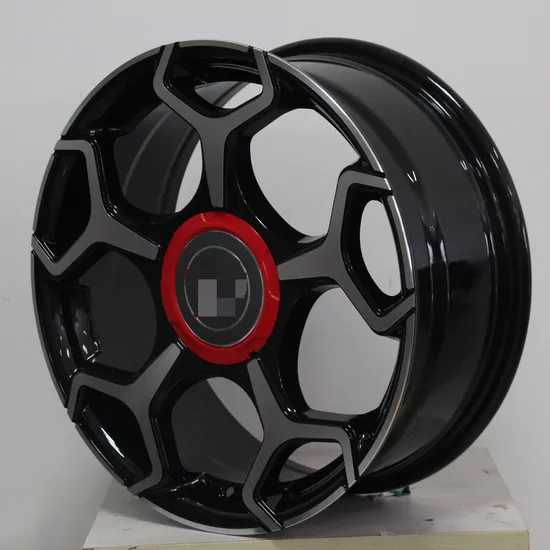
15-16 Inch Aftermarket Car Wheel Rims Accessories
$40.00
View Specifications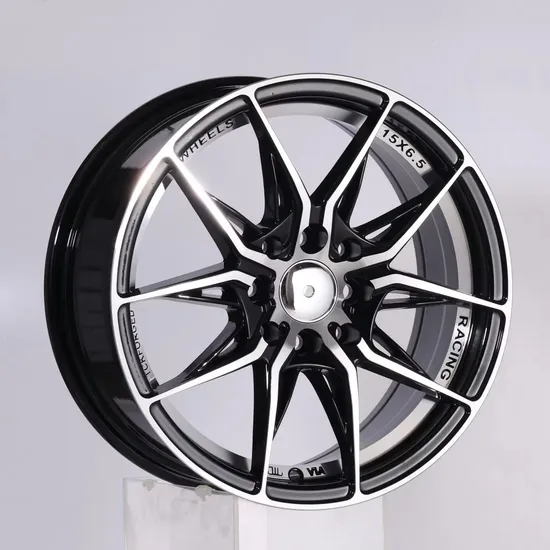 02
WHEEL RIM/HUB
15-16inch Aftermarket Aluminum Mag Sport Alloy Wheels Wholesale
$40.00
View Specifications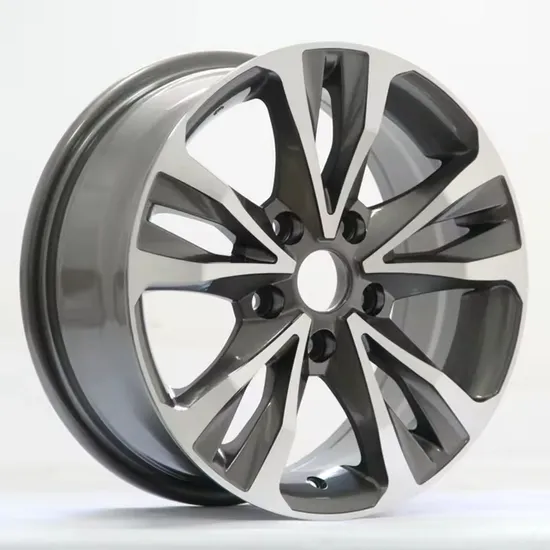 03
WHEEL RIM/HUB
Replic Wheel 15-16 Inch Multi Spoke Alloy Rims Et+35mm for VW Ford
$40.00
View Specifications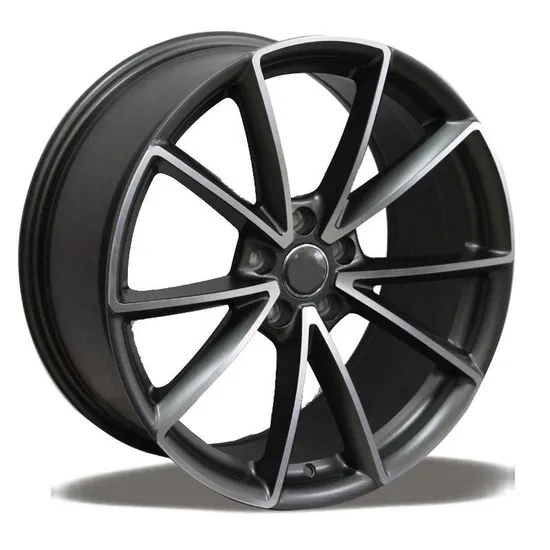 04
WHEEL RIM/HUB
New Mold Oy17084 15-16 Inch 4X100/5X100 Aluminum Alloy Car Wheel
$33.00
View SpecificationsTrial order offer
Free samples. 10% off your first order.
Test fitment and finish on your own vehicles before committing. New buyers get 10% off the first confirmed order, with a factory-direct quote inside 24 hours.
Terms apply. Discount valid for first orders from new customers only.
120+
Export markets
25M+
Parts delivered
24h
Quote reply
Keep reading
Related sourcing and fitment guides
Aug 9, 2026 · Buying Guide
Car Rims Price in Vietnam: 2026 Wholesale Supplier Guide
Evaluate car rims price in Vietnam by analyzing manufacturing processes, surface treatments, and minimum order quantities that drive actual costs. Compare casting, flow forming,…
Read the Guide
Aug 8, 2026 · Buying Guide
SUV Wheels Wholesale: Bulk Order from China Manufacturer
Stop comparing FOB quotes and start calculating true landed costs for SUV wheels wholesale. Learn to amortize mold fees, verify DOT and JWL certifications,…
Read the Guide Aug 8, 2026 · Buying Guide
Buy 18 Inch Alloy Wheels with VIA TUV Certification Wholesale Supplier
Source 18 inch alloy wheels with VIA TUV certification that clear customs without demurrage. Verify certificate numbers match hub stamping and packing lists exactly…
Read the GuideGet a quote
Send your OE numbers. Get a factory-direct quote within 24 hours.
Jinan Yoker Auto Parts supplies brake discs and drums, cooling radiators, AC condensers and wheel rims from Jinan, China to buyers in 120+ countries. One inquiry covers every category.
-
WhatsApp
8618753183983 -
Email
cathyzhao@jnyoker.com -
Address
Yuqinghu Street, Huaiyin District, Jinan City, Shandong Province
-
Response time
Quote within 24 hours